Best Money Apps 2026: How to Choose the Right One
App stores now list thousands of finance tools, each promising to fix your wallet overnight. The truth is quieter: the best money apps are the ones that fit your specific goal and disappear into your routine. This buyer’s guide gives you a clear decision framework, the categories worth knowing, and the security checks that keep your data safe, so you can pick confidently instead of downloading five apps and using none.
I have tested dozens of these tools over the years. The winners were never the flashiest; they were the ones I still opened six months later.
What Makes the Best Money Apps Stand Out
Great finance apps share a short list of traits. They protect your data, they surface the right information at the right moment, and they respect your attention. Everything else is marketing gloss.
Security comes first, always. The FDIC’s consumer resources remind users to confirm how and where their balances are insured before trusting any platform with real money. If an app cannot answer that clearly, keep looking.
Which features actually matter day to day?
Prioritize fast account syncing, honest fee disclosure, customizable alerts, and simple exports. Nice extras like credit-score tracking are welcome, but they should never come at the cost of the fundamentals above.
Know the Main Categories
Money apps are not interchangeable. Knowing the categories helps you avoid paying for features you will never touch.
- Payment apps: send and receive money instantly between people.
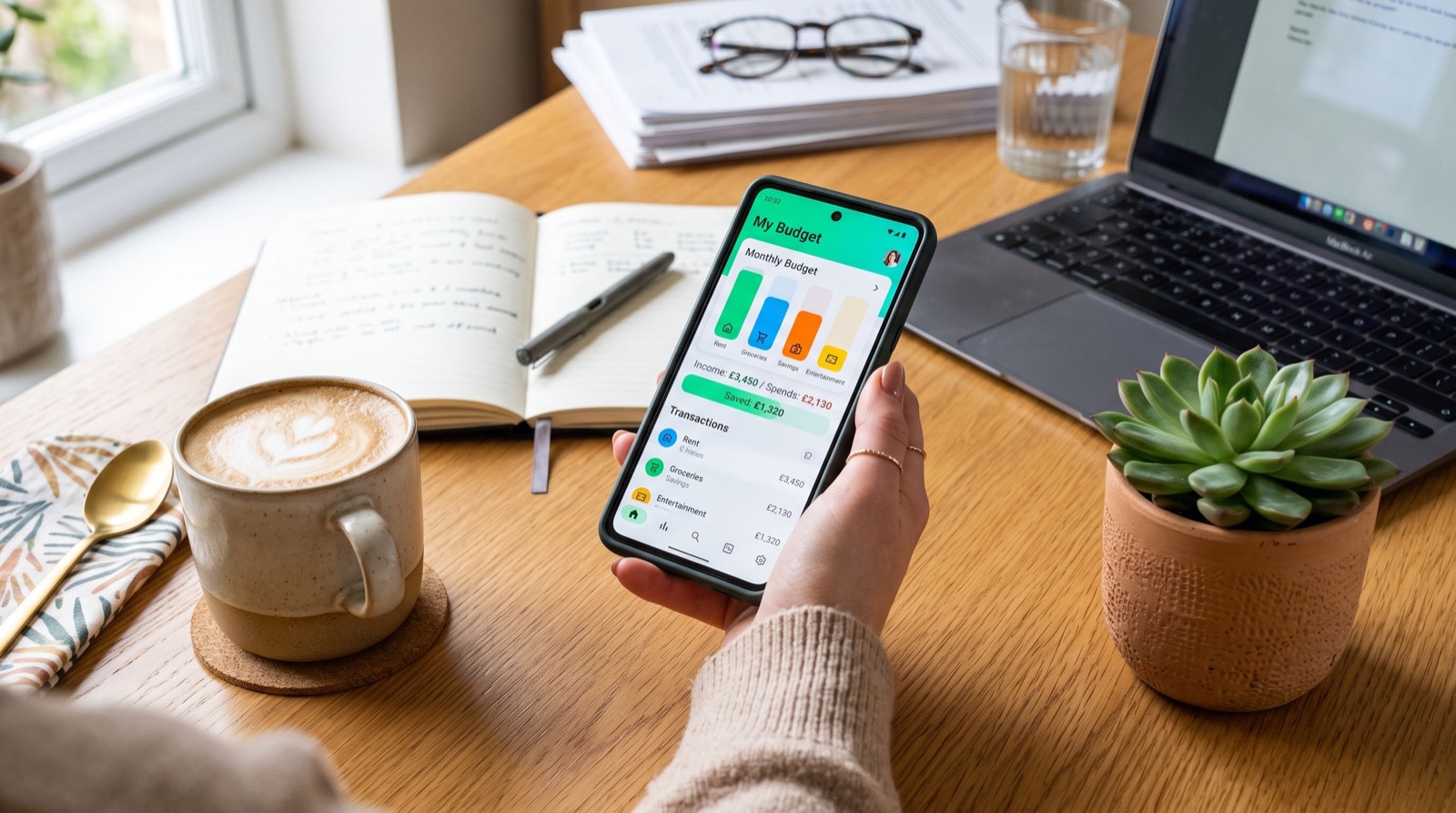
- Budgeting apps: categorize spending and enforce limits.
- Saving apps: automate transfers and round-ups into reserves.
- Investing apps: buy stocks, ETFs, and retirement funds.
- All-in-one wallets: combine several of the above under one login.
Most people need two, not ten. A payment app plus a budgeting or all-in-one tool covers the majority of everyday needs without cluttering your phone.
A Simple Framework for Choosing
When readers ask me how to decide, I give them the same five-step process. It cuts through hype in about ten minutes.
- Name your single biggest money goal for 2026.
- Match that goal to one primary category above.
- Shortlist two apps and read their fee pages in full.
- Check security: encryption, insurance, and two-factor login.
- Test the free tier for two weeks before paying a cent.
This process works because it starts with your goal, not the app’s ad. Once you know what you are solving, the shortlist practically writes itself.
How many apps should you actually use?
Two or three is the sweet spot. Enough to cover payments, budgeting, and growth, but few enough that you check them regularly. More than that and most apps quietly go stale.
Comparing Your Options
The table below shows how the main categories stack up on the factors that influence real decisions. Use it as a starting point, then verify current details on each provider’s site.
| Category | Primary Goal | Typical Cost | Best For |
|---|---|---|---|
| Payment app | Send/receive fast | Free–1.75% instant | Splitting bills, gig pay |
| Budgeting app | Control spending | Free–$15/mo | Overspenders |
| Saving app | Build reserves | Free–$5/mo | Beginners |
| Investing app | Grow wealth | Free–0.25% AUM | Long-term goals |
| All-in-one | Simplify everything | $5–$12/mo | Busy households |
To see detailed head-to-head reviews, this guide to the best money apps breaks down each category with real-world pros and cons. If you only want the essentials, a shorter primer on money apps covers the must-know basics first.
Security Checks You Should Never Skip
An app that saves you time is worthless if it leaks your data. Before you link any account, run this quick audit.
Confirm the app uses bank-level encryption and read-only connections. Verify it offers two-factor authentication and biometric login. Check where balances are held and whether pass-through insurance applies. Finally, read a few recent reviews to spot unresolved fraud complaints.
What if you run a small business?
Keep business and personal finances in separate apps or accounts to simplify taxes and reporting. For specialized work such as marketing or bookkeeping, hiring reliable local experts often pays for itself in saved time and fewer costly mistakes.
Avoiding Buyer’s Remorse
Most regret comes from downloading on impulse rather than deciding on purpose. An app that solves someone else’s problem will not solve yours, no matter how many stars it earns.
Before you commit, ask three honest questions. Will I open this weekly, or only when guilt strikes? Does it replace a tool I already use, or just add clutter? And can I export my data cleanly if I leave? Clear answers here prevent the graveyard of half-used apps most phones accumulate.
Watch out for hidden costs
Free downloads can carry real costs: premium walls that hide core features, instant-transfer fees, or data-sharing that funds the “free” tier. Read the pricing and privacy pages together, because the true price of an app is rarely just its sticker.
One practical test I trust: try to complete your main task on the free tier. If the app blocks you at every turn, its real cost is higher than the subscription suggests, and a simpler competitor may serve you better.
Finally, give any new tool a genuine thirty-day trial before you judge it. The first week always feels awkward as you connect accounts and learn the layout. Only after the novelty fades can you tell whether an app truly fits your routine or simply looked good in the store listing.
Frequently Asked Questions
How do I find the best money apps for my needs?
Start with your top goal, match it to one category, and shortlist two apps. Compare their fees and security, then test each free tier for two weeks before committing.
Are free money apps safe and reliable?
Many are, provided they use encryption, two-factor login, and insured balances. Free simply means the provider earns revenue elsewhere, so read the privacy policy to understand how your data is used.
Can one app replace all the others?
All-in-one wallets come close by bundling payments, budgeting, and investing. Still, some users prefer a specialist payment app alongside a dedicated investing tool for more control.
How often should I reassess my apps?
Review your lineup once a year or whenever your goals shift. Fees, features, and security standards change, so a quick annual audit keeps you on the strongest options available.
Final Word
Choosing the best money apps in 2026 comes down to clarity, not quantity. Define your goal, match it to the right category, verify security, and test before you pay. Follow that framework and you will land on a small, trusted toolkit that quietly does the work, leaving you with more time, less stress, and a healthier bottom line.